The Singer Who Has No Body but Has a Bank Account
Meet Yuri (尤栗), China's virtual AI singer whose SURREAL debut, Shanghai concert, official digital identity and digital-yuan wallet reveal a new future for music.
Music & Technology · November 5, 2026
ACT I. The Girl Who Was Born From an Idea
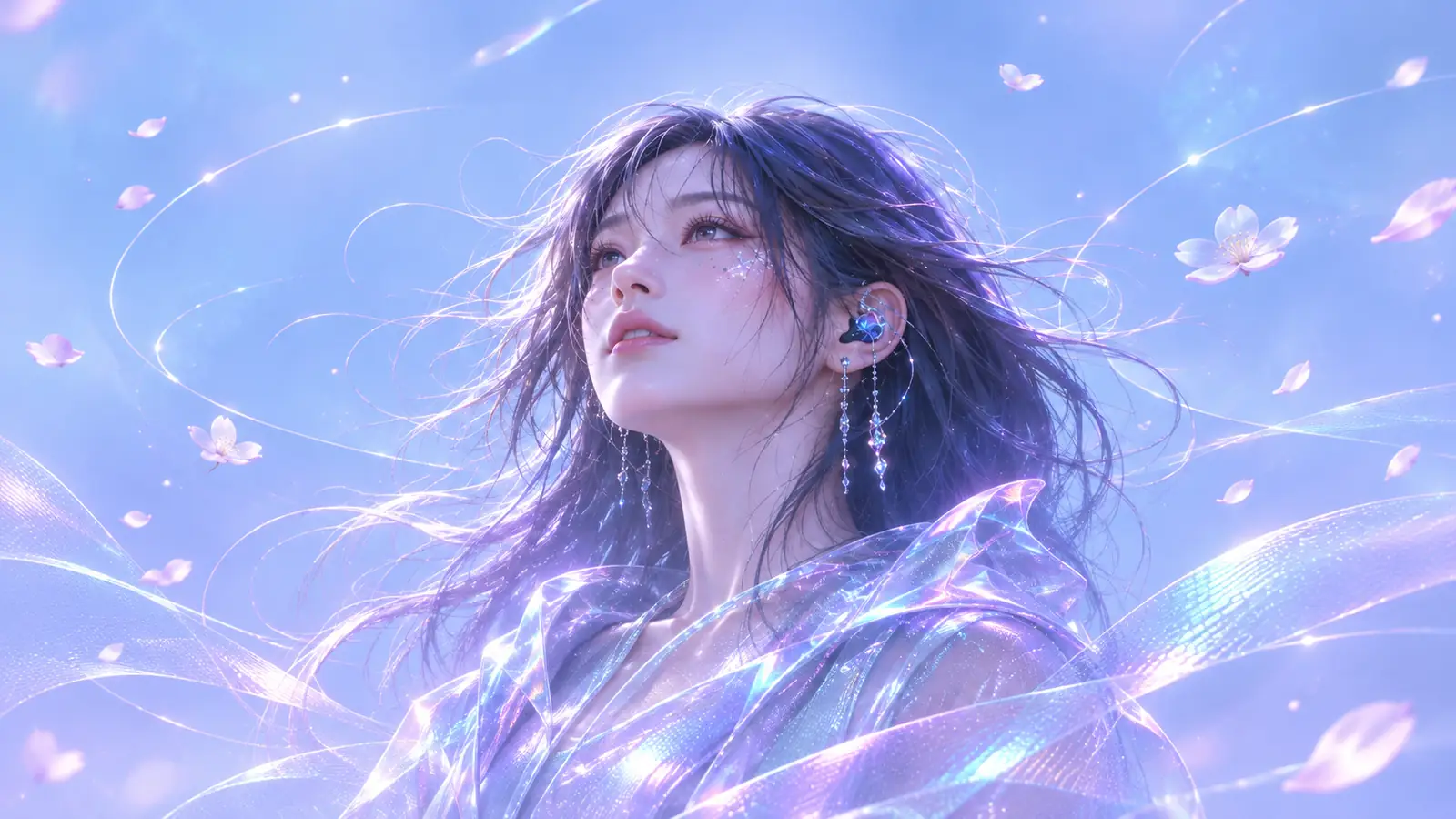
BEIJING, CHINA — Somewhere between imagination and reality, a singer named Yuri (尤栗) is building a career unlike almost anything the music industry has seen before. She has songs, a recognizable face, a following and commercial partners. She has performed alongside real musicians. There is just one extraordinary detail: Yuri has no biological body.
She never practiced singing in her childhood bedroom, waited for an audition or experienced stage fright. She began as an idea. In June 2025, the AI.TALK creative project, led by entrepreneur Zhao Hanqing, introduced a performer conceived entirely in the digital world. Rather than making a copy of an established celebrity, the creators developed an original character with her own visual identity, synthesized voice and evolving public persona.
Zhao described the creative background of the project in an October 2026 interview with The Paper. His earlier experiments with generative images, writing and conversational systems helped lead toward a character who could participate in music, visuals and interactions rather than simply appear in an isolated demonstration.
On June 3, 2025, AI.TALK released Yuri’s debut music video, SURREAL, on Bilibili. The song can also be heard on Apple Music. The video’s shifting digital imagery gave viewers a way to meet Yuri as a musical personality, not merely as a technical showcase. It was a pop release wrapped inside an entirely imagined visual universe.
By early 2026, authorities in Beijing reported that SURREAL had reached more than 12 million views across platforms and that the AI.TALK project had more than 1.1 million social-media followers. These are reported project figures, not independently audited streaming totals. Commercial partners followed: The North Face was acknowledged in an introductory Yuri video, and Zhao later discussed work involving L’Oréal, vivo and China Gold in his interview. A character who had never physically existed was entering the familiar business of pop culture.
Listen to Yuri — SURREAL
Before reading further, meet the virtual singer through the original release. Watch the AI.TALK music video on Bilibili or listen to the single on Apple Music.
Watch the original SURREAL music video · Listen to SURREAL on Apple Music
ACT II. A Singer With an Official Identity
January 31, 2026. Beijing E-Town. At an AI industry event in Beijing’s Economic-Technological Development Area, authorities issued Yuri an official virtual-idol identity certification. According to Xinhua News Agency, it was the first such certificate for a virtual idol in China.
The certificate did not make Yuri a citizen, grant her human rights or turn her into an independent legal person. It identified a digital character associated with real operators and a specific commercial and administrative framework. Yet the symbolism was extraordinary: a singer who had never been born had acquired something resembling an official identity. Yuri became known as a digital resident of Beijing E-Town.
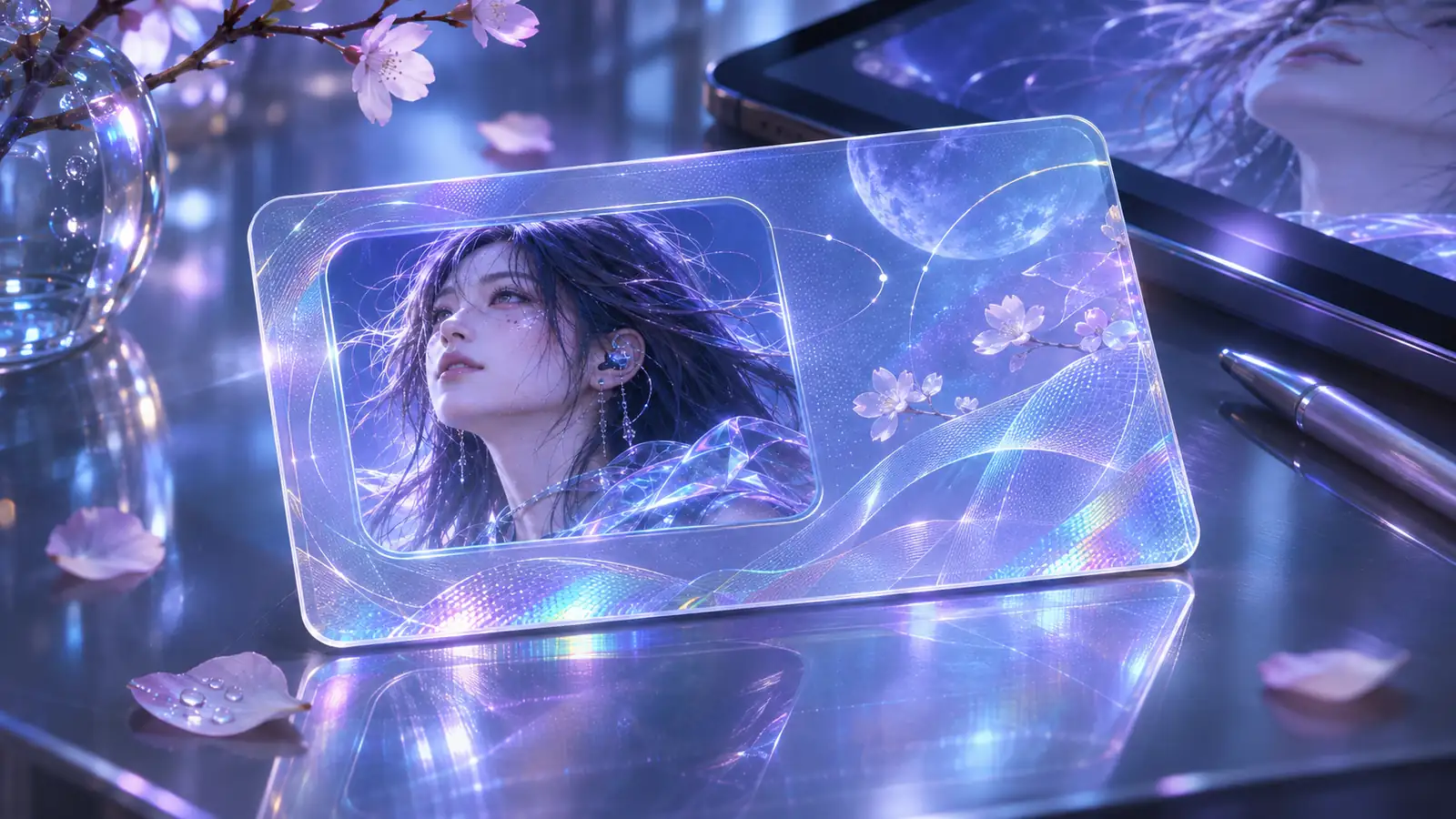
On June 11, 2026, another milestone followed. Yuri received a Digital Artist Card in a supervised commercial-performance pilot for digital humans. The Beijing Municipal Government’s announcement describes a regulated setting for companies operating digital performers. The stage, it seemed, was waiting.
ACT III. The Night Yuri Met a Real Audience
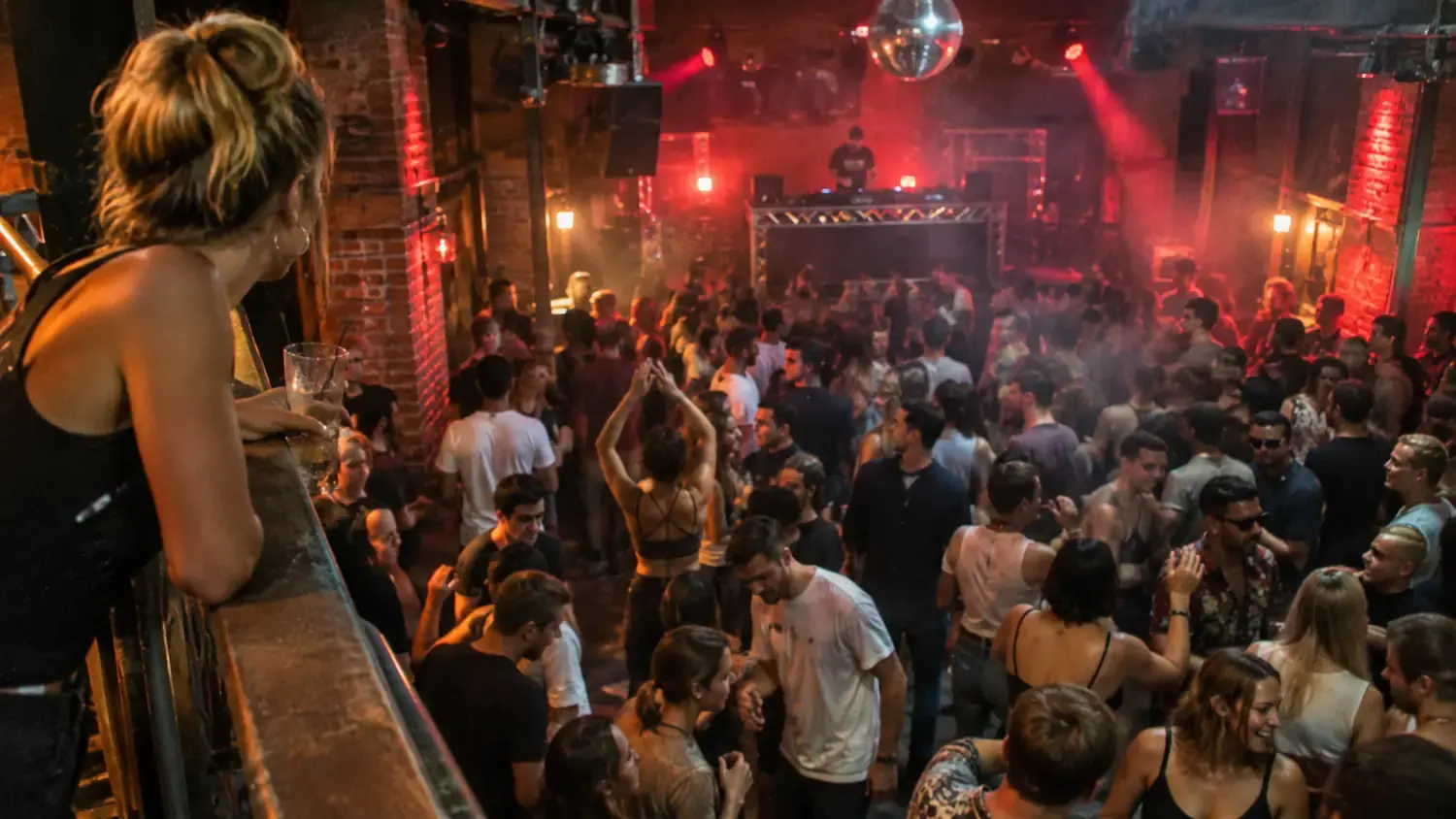
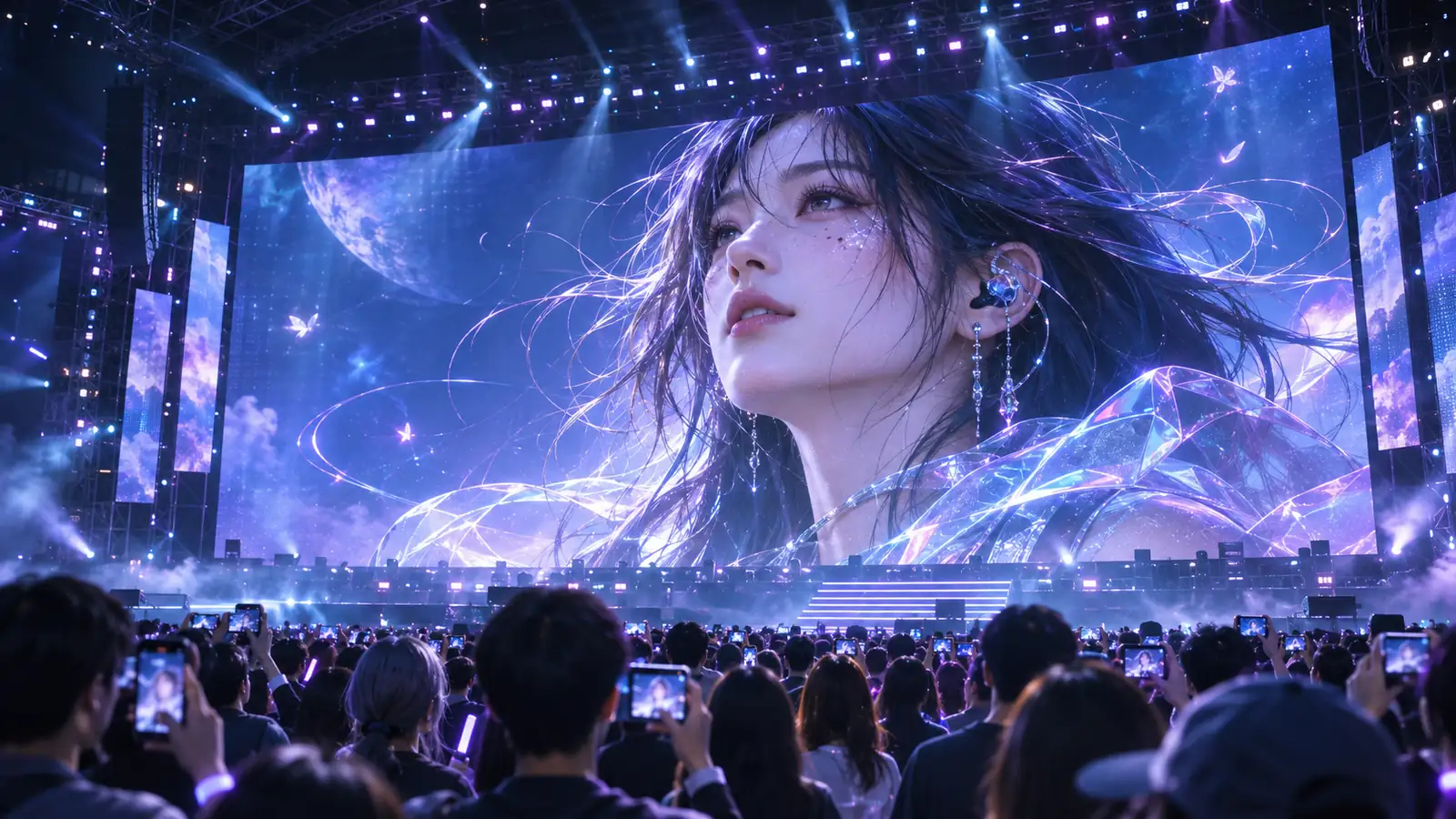
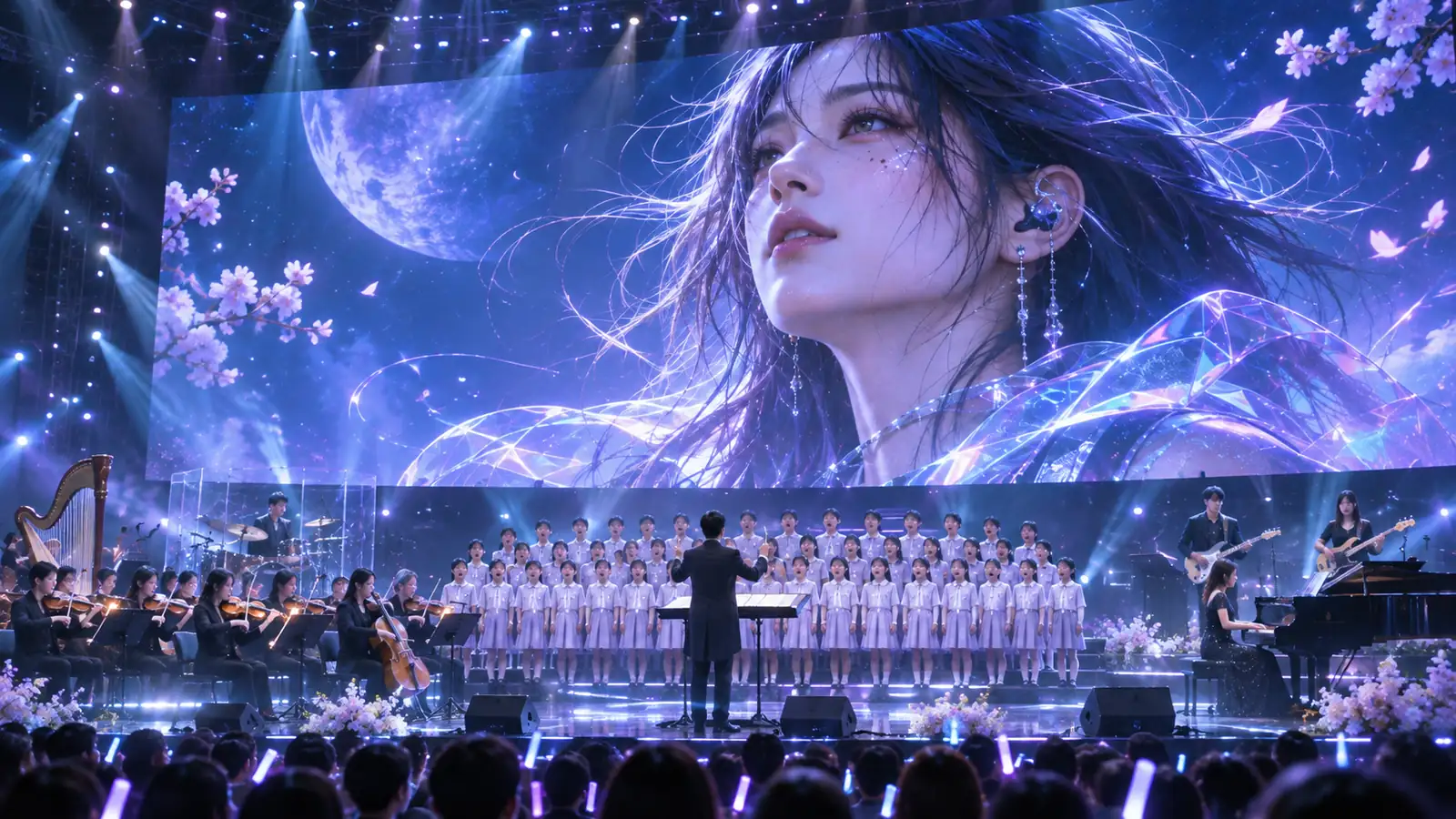
September 11, 2026. Shanghai. Along the Huangpu River, an audience gathered in front of an approximately 101-meter-wide screen to see a singer who existed only through technology. The event, the Surreal AI Concert, took place during the Inclusion Conference on the Bund.
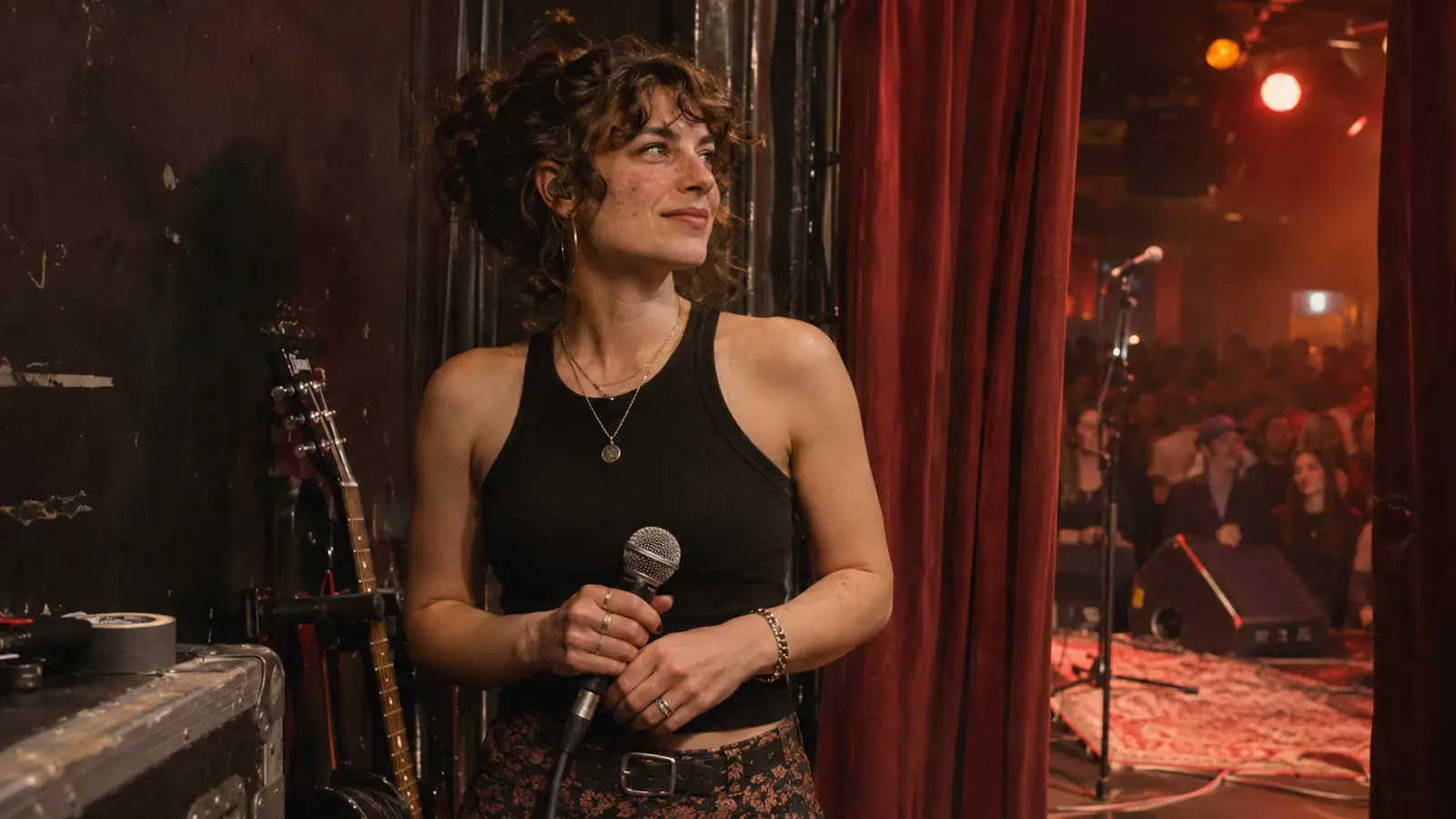
The details in an eyewitness report by Hangzhou Daily make the evening memorable. The audience could move around rather than remain in assigned seats. Yuri joked about the enormous size of her face on the screen. The program brought her together with Chinese indie-folk duo The Landlord’s Cat, traditional instrumentalists and a children’s choir. Live musicians occupied a real stage while images of the virtual singer moved through changing digital worlds.
The experiments were not flawless. A robotic dancer failed to move as planned, and reporters noticed a slight delay between the lips and voice of a physical robotic embodiment. Those small imperfections made the performance more intriguing, not less: an unfamiliar kind of live entertainment was being invented in public.
A report carried by The Paper cited an organizer estimate of 3,000 to 4,000 attendees, including dedicated Yuri supporters. That figure is not an independent audit. Still, it reveals the remarkable nature of the scene: people had traveled to a real venue, at a real hour, to experience music with a performer who had no physical body.
One of the evening’s most evocative moments involved the children’s choir. Children with lives and memories of their own sang beside a character who had never experienced childhood. For the duration of the song, those different realities shared one musical space.
ACT IV. The People Behind the Impossible
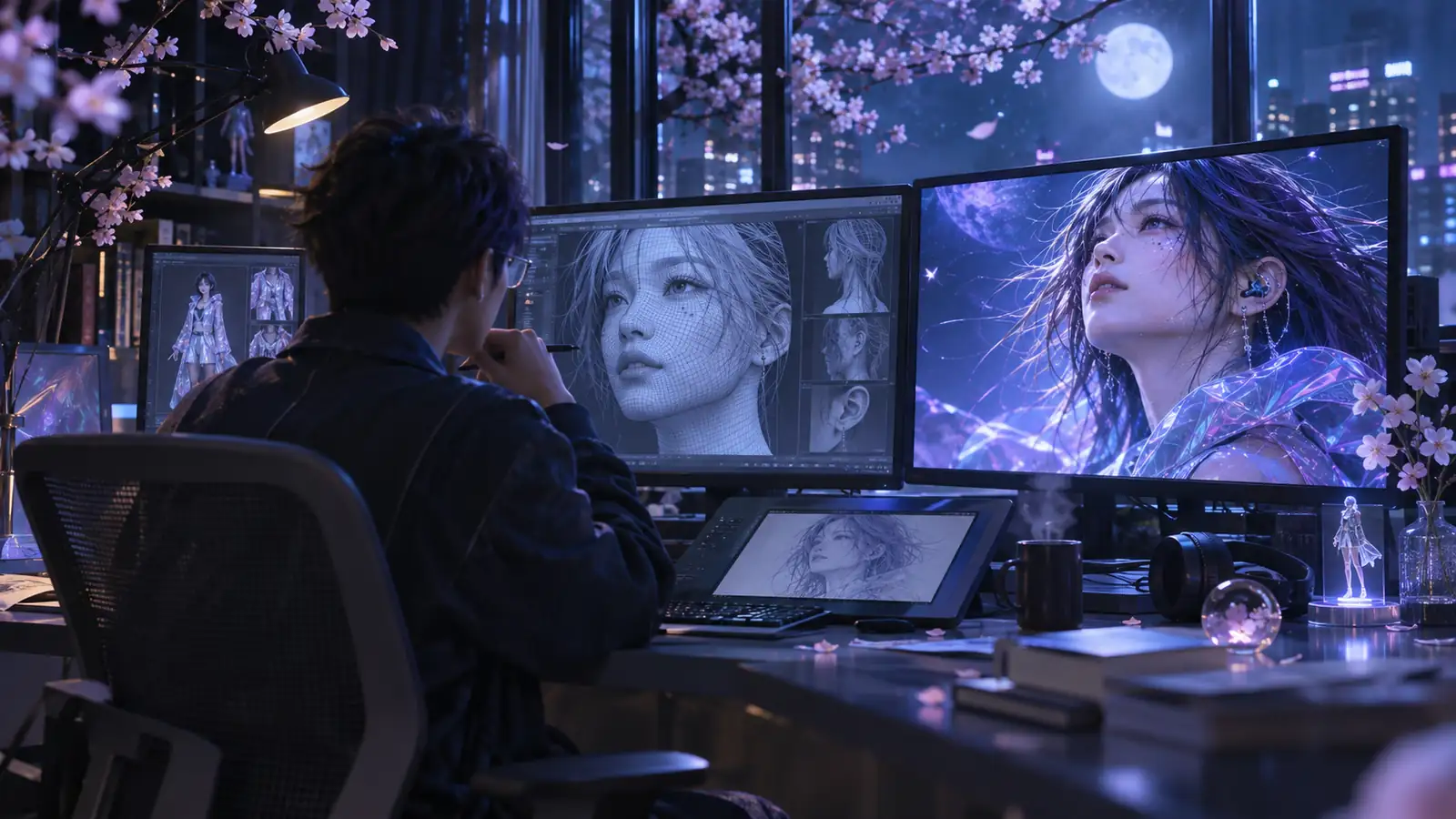
It would be easy to describe Yuri as a triumph of machines. But she is equally a story of human imagination. Zhao Hanqing’s interview presents an ambition to develop a continuing artistic personality, not simply a computer-generated face.
The Shanghai performance required musicians, visual artists, engineers, designers and stage crews. The unusual dimensions of the screen forced the production team to rethink its visual material, according to contemporary concert reporting. AI could assist with images, sound and character development, but a convincing live experience still required planning, taste and collaboration.
This is where Yuri’s story becomes particularly inspiring for independent creators. New instruments have always expanded music’s boundaries: electric guitars, multitrack recording, synthesizers and home-studio software each changed the possibilities. Generative AI is adding new tools for experimenting with imaginary performers, voices, visuals and performance concepts.
Such tools do not guarantee a memorable song, and their responsible use still depends on rights, licenses and the people who create the work. But they can help small teams test artistic worlds previously beyond their practical reach. Yuri’s creators did not merely operate software; they imagined an artist, built a project and found an audience.
ACT V. The Singer With a Digital Wallet
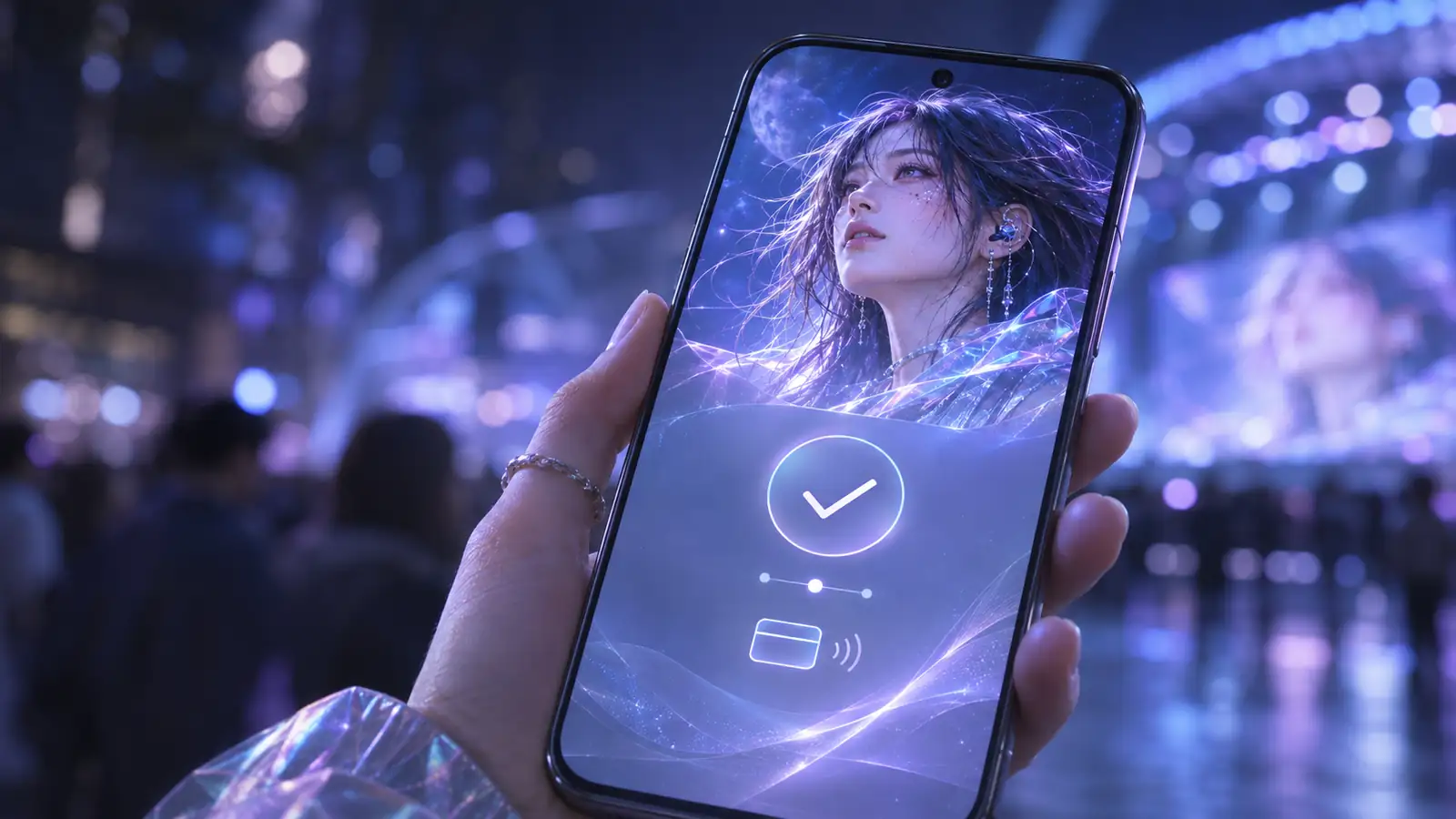
September 2026 brought an even more surprising development. According to an official Beijing E-Town announcement dated September 16, Yuri and another virtual character, KOKO, were associated with corporate digital-yuan wallets in an initiative involving the People’s Bank of China and Industrial and Commercial Bank of China.
The distinction matters: the account is not held by Yuri as an autonomous person. The corporate wallets belong to the real companies operating the digital identities; the virtual characters serve as public-facing interfaces for eligible commercial transactions. The arrangement was designed for digital-content purchases, brand partnerships, interactive payments and virtual gifts. It did not establish a specific amount of money Yuri had already earned through these mechanisms.
Yet the implications remain remarkable. A fictional singer was being connected to actual payment infrastructure. A character made of sound, image and software could become the recognizable face of a business receiving real money. She had no physical wallet. But the project carrying her name had entered the world of digital payments.
ACT VI. Why People Care About Someone Who Does Not Exist
For centuries, people have formed emotional connections with fictional characters. Readers remember heroes in novels; filmgoers care about people who never lived; animated characters become cultural icons. The emotions can be genuine even when the character is invented.
Virtual performers add the possibility of a continuing music career: new releases, recognizable images, stage appearances and a community of followers. Yuri’s fans can hear her songs, discuss performances and follow the creative world around her. None of that establishes that she experiences feelings as a human singer would.
And technology alone cannot produce affection. A detailed visual model is not automatically a star, just as a synthesized voice is not automatically a memorable song. Music, storytelling, artistic direction and audience response still matter. The tools may be new. The human desire to connect through music is not.
ACT VII. What Comes Next?
Imagine a composer inventing a digital performer for an original musical story. A small studio developing a fictional band with distinct personalities and a visual universe. A producer creating an event where live musicians perform alongside interactive digital characters. Or an independent singer using AI-assisted tools to realize a music-video concept previously beyond their budget.
Some of these ideas are possible today in limited forms. Others will need better technology, workable licensing and sustainable economics. Not every experiment will succeed. But Yuri’s rise suggests that the next generation of musical projects may have many starting points: a guitar, a microphone, a computer, or a character who first existed only in someone’s imagination.
EPILOGUE. A Girl With No Past and an Unwritten Future
Yuri has no childhood memories, no first school performance and no story about practicing in front of a mirror. Yet she has released music, appeared before audiences, shared a stage with human performers and become the recognizable face of a commercial creative project.
Her story began not with a childhood dream but with someone else’s imagination. A team transformed that idea into music, images, performances and experiences that people could share. New technology does not remove the need for human imagination. It gives imagination additional ways to become visible.
Somewhere today, a songwriter may be imagining a voice nobody has ever heard. A producer may be designing an artist who could never exist physically. A small studio may be dreaming of a musical world its audience has never seen.
She has no body. She has no childhood. But she has a music career — and a future that has barely begun.
The next extraordinary artist may already be taking shape. Not in a rehearsal room. But in someone’s imagination.